May 11, 2026
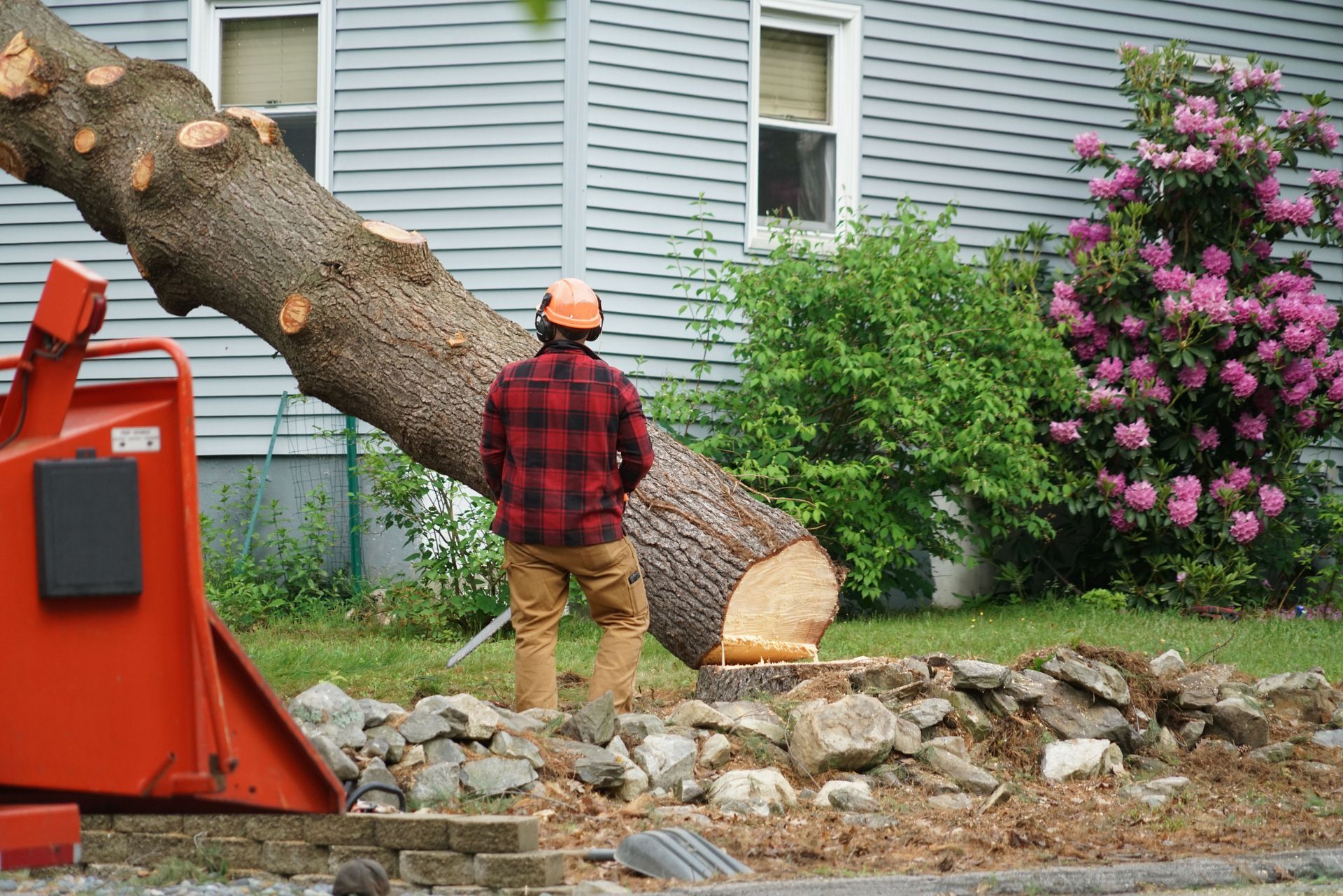
Identifying when a tree needs to be taken down is important for the safety of your property and family. Property owners often struggle with the decision to say goodbye to a large tree, but waiting too long can lead to costly accidents or property damage. Seeking professional help early can prevent many of these issues. Using a professional tree removal service helps manage the process safely without putting anyone in harm's way.
Noticing Structural Cracks
One of the most concerning signs a tree is failing is the appearance of deep cracks in the trunk. These are not just surface-level bark splits. Deep cracks suggest that the tree is losing its structural integrity. When a trunk begins to split, it means the wood can no longer support the weight of the branches above. This is especially dangerous during high winds or heavy snow. If you see a crack that goes deep into the wood, you should ask for professional help immediately. A tree removal service is equipped to deal with these unstable structures before they collapse on their own.
Cracks can also appear where large limbs attach to the main trunk. These attachment points are often weak spots. If a crack forms here, the entire limb could fall without warning. Professionals look at these areas to determine if the tree should be removed. Addressing these cracks early prevents a sudden fall that could damage roofs, cars, or power lines.
Observing Leaning Trunks
Trees do not always grow perfectly straight, but a sudden lean is a major red flag. If a tree that used to be upright is now tilting, it usually means the roots are failing, or the soil is shifting. You might see mounded soil on one side of the tree or exposed roots on the other side. This indicates the tree is no longer anchored to the ground. You need a tree removal service to assess the lean and determine the best way to take the tree down safely.
Leaning is particularly dangerous if the tree is tilting toward a house, a driveway, or a public sidewalk. Even if the tree looks healthy otherwise, a bad lean is a sign of instability. Professionals have the tools to secure the tree as they work to prevent it from falling in the wrong direction. They can manage the weight distribution and use ropes and pulleys to guide the descent. Trying to guess how a leaning tree will fall is a gamble that no property owner should take.
Finding Hollow Sections
A hollow tree might look interesting, but it is often a sign of internal decay. While some trees can live for a long time with a small hollow spot, a large cavity is a serious problem. The strength of a tree comes from its inner wood. When that wood rots away, the tree becomes a hollow shell. According to the University of Maryland, you should consider tree removal if one-third of the tree's interior is hollow or rotten. This helps property owners understand the threshold for when a tree becomes a liability.
Rot often starts at the base and moves upward. You might notice animals living inside these holes, which is another sign that the interior wood is gone. A tree removal service can check the extent of the rot. They use their knowledge to see how much of the tree is still solid. If the decay has spread too far, the only safe option is to remove the tree entirely before it snaps during a storm.
Detecting Root Decay
The health of a tree depends on what is happening underground. Roots provide the foundation and the nutrients for the entire tree. If the roots are rotting, the tree cannot survive. Signs of root decay include fungal growth like mushrooms or "conks" growing at the base of the trunk. This fungus feeds on the decaying wood of the roots. If you see these growths, it is a sign that the tree's foundation is literally being eaten away. Professional help is needed to see how much of the root system is affected.
Root damage also happens because of construction or soil compaction. If you have recently had work done near the tree, the roots may have been cut or crushed. This leads to a slow death for the tree. You might notice the leaves at the very top of the tree starting to die off first. This shows the roots can no longer push water to the highest branches. Contacting a tree removal service is the right move when the root system is compromised, as the tree will eventually become a hazard.
Identifying Dead Branches
A few dead twigs are normal, but large dead branches are a danger. These are often called "widow makers" because they can fall at any time with no warning. If a tree has many dead limbs, especially on one side, it may be lopsided and unstable. Dead branches do not have the flexibility of living wood, so they break easily in the wind. A professional can look at the canopy to see if the tree is overall healthy or if the dead limbs are a sign of a larger problem. When more than half of the canopy is dead, the tree is likely beyond saving.
Managing large dead branches requires height and safety gear. It is not something to be taken lightly. Professionals use climbing gear or bucket trucks to reach these high areas safely. They can cut the branches into manageable pieces and lower them to the ground. If the tree is full of dead wood, it is usually a sign that the whole tree is dying. A tree removal service will help you decide if it is better to prune the branches or just remove the whole tree to be safe.
Assessing Storm Damage
Severe weather is often the final blow for an aging or weak tree. Lightning strikes can split a tree down the middle or boil the sap inside, killing it instantly. High winds can tear off major limbs or partially uproot the tree. After a big storm, it is important to walk around your property and check your trees. Look for hanging branches that are caught in other limbs. These are extremely dangerous and can fall at any time. A professional should be called to clear these hazards safely.
Sometimes storm damage is not immediately obvious. A tree might look okay, but have internal cracks or loosened roots. If you see many small branches on the ground or a change in the way the tree looks against the sky, it is worth a professional check. Using a tree removal service after a storm is the safest way to clean up debris and remove trees that are no longer stable. They have the experience to handle wood that is under tension or leaning against other structures.
Evaluating Proximity Risks
As trees grow, they need more space than people often realize. A tree that was small ten years ago might now be a threat to your home's structural integrity. Professionals can help you decide if the tree can be managed through pruning or if removal is the only way to protect your house.
Trees growing near power lines are another major concern. Only professionals should work around utility lines. The risk of electrocution is very high for anyone who is not trained to work in those conditions. If a tree is interfering with power lines, a tree removal service is the only safe way to address the situation. They work with utility companies to check that the power is handled correctly while they remove the branches or the entire tree.
By paying attention to these signs, you can act before a tree becomes a disaster. Whether it is a deep crack, a hollow trunk, or roots that are rotting away, these indicators tell a story of a tree that is no longer safe. Professional help is the best way to handle these situations. Contact Rivas Tree Service today to work with a professional tree removal service that prioritizes your safety.