September 9, 2026
Managing the natural environment on your property requires a delicate balance between preserving nature and ensuring overall safety. Decaying trees pose a quiet yet severe hazard to nearby structures, utility lines, and residents. By addressing these failing structures early, we can eliminate dangerous conditions while simultaneously enhancing the aesthetic charm and market value of your landscape. Understanding why timely action is vital helps property owners make informed, responsible decisions for their land.
Understanding Biological Decay Mechanisms
Tree decay is a natural process that involves the gradual breakdown of organic matter by microorganisms, such as bacteria and fungi. These microscopic organisms feed on the inner cellulose and lignin, which are crucial structural components, causing the tree's internal framework to weaken over time. The overall rate of decomposition can vary based on environmental conditions, such as temperature and humidity, as well as the specific species involved. Recognizing that decay is an evolving biological process helps in identifying specimens at risk before catastrophic failures occur. Engaging professional arborists to examine suspect trunks can prevent unexpected safety hazards.
There are several telltale signs that a specimen might be deteriorating internally, including the presence of mushrooms or fungi at its base or on its trunk. Other clear indicators include cracking or peeling bark, dead branches, and large hollow cavities within the main trunk or upper limbs. These visual warnings suggest that the internal strength of the tree may be compromised, drastically increasing the risk of falling branches or total collapse. Observing these signs early allows for timely intervention, potentially mitigating further ecological or safety concerns on your lot. Routine inspections by property owners ensure early detection of these critical symptoms.
Several external factors contribute to accelerated decay, including excessive moisture retention and poor air circulation within the canopy. Specimens that are wounded from heavy storms, improper trimming, or aggressive insect activity are also far more susceptible to infection. Exposed or damaged areas provide easy entry points for decay-causing fungi and wood-boring bacteria. Additionally, severe soil compaction around the root system can limit oxygen availability, adding stress that expedites internal breakdown. Overall, maintaining proper structural care and proactive management helps reduce the primary factors contributing to health decline.
The structural integrity of any plant relies heavily on its internal health and sound wood density. As decay progresses, it compromises the ability to support its own weight, leading directly to an increased risk of structural failure. This risk is particularly heightened in developed areas where decaying timber can pose an immediate threat to nearby buildings, power lines, and pedestrians. Understanding this structural impact underscores why tree removal is necessary to prevent unwanted property damage or severe physical injuries. Proactively executing tree removal when internal decay is discovered reduces potential liabilities for property owners.
Fungi play a central role in the decomposition of wood, acting as primary decomposers that break down complex organic materials. While essential for global nutrient cycling, their active presence in living trunks indicates that internal health is severely compromised. In addition to fungal growth, secondary pests such as bark beetles frequently infest weakened trunks, accelerating the overall breakdown process. Early intervention to control fungal growth and pest activity is crucial when attempting to manage landscape health. Proper identification of fungus and pests aids in determining whether retention or tree removal is the safest course of action.
Identifying Dangerous Physical Safety Hazards
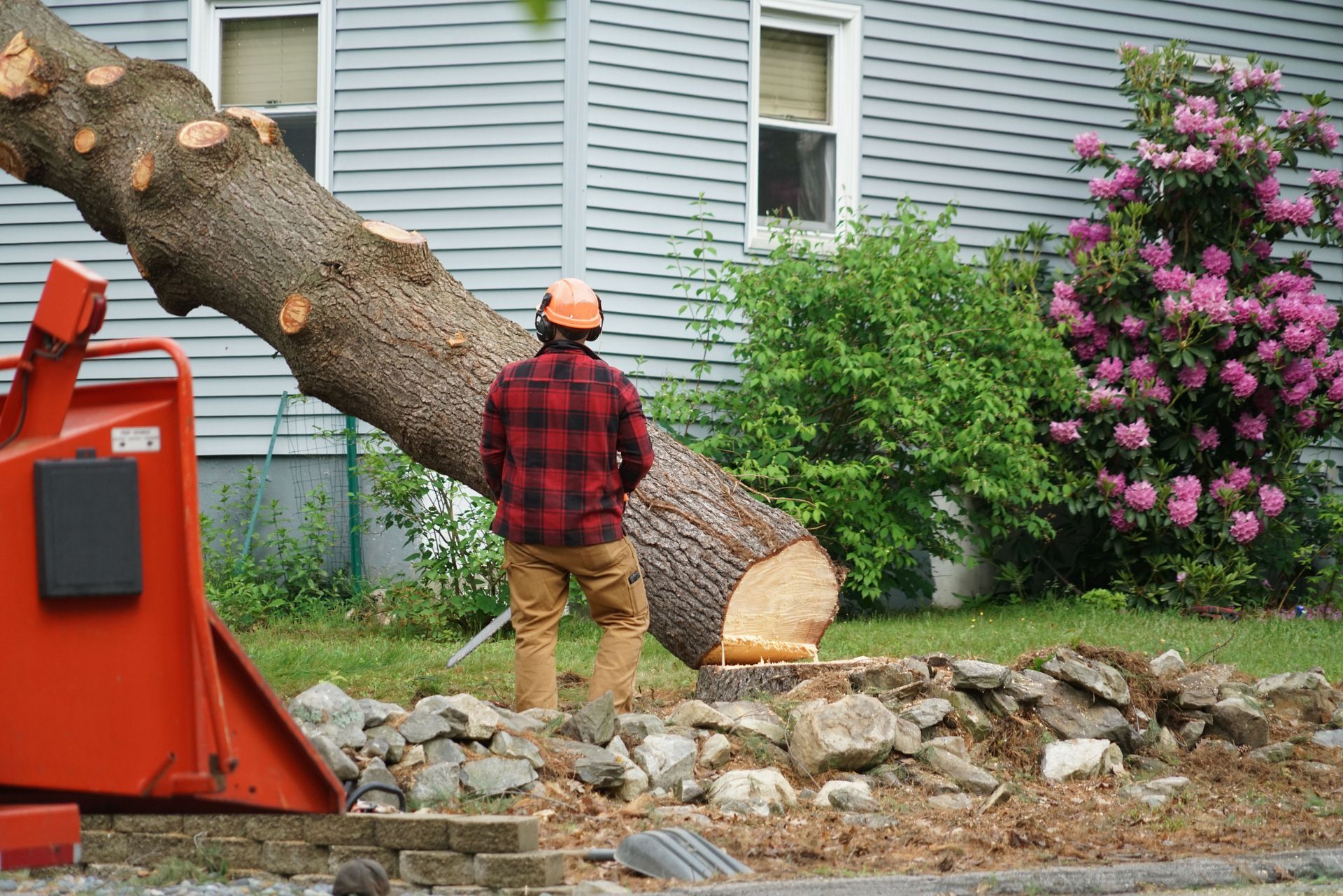
Decaying timber poses a significant risk of dropping large limbs without any prior visual warning. This unpredictable shedding happens because the weakened internal structure can no longer hold the heavy weight of its branches, especially during adverse weather conditions. Such instances often result in personal injury or severe damage to surrounding property, which underlines the importance of regular hazard assessments. We recommend addressing dangerous limbs as a preemptive measure to ensure public safety. According to This Old House, depending on the size and type of tree, removing a tree can take as little as 15 minutes or as long as a few hours.
Proximity to homes and public infrastructure drastically increases the direct risk associated with dying plants. Overhanging branches or a falling trunk can severely damage roofs, vehicles, and utility infrastructure, potentially leading to extremely costly structural repairs. Evaluating large timber near buildings is a crucial step in property maintenance to avoid sudden structural failures. When internal decay is detected, swift action in trimming or executing tree removal can avert widespread infrastructure damage and preserve public utilities. Furthermore, insurance claims stemming from avoidable falling damage can be financially burdensome and time-consuming to resolve.
Decayed timber presents serious, immediate safety hazards to people, especially in high-traffic areas, public parks, and residential yards. The sudden fall of a heavy trunk or large lead branch can cause severe injuries or fatalities to anyone standing underneath. Ensuring the safety of shared spaces involves regular professional inspections and routine maintenance to address any structures that pose an imminent threat. Public awareness regarding structural failure can educate communities about the hidden dangers of ignoring structural decline. Establishing clear safety protocols for property management is essential in minimizing injury risks to family members and visitors.
Accidents resulting from unaddressed decay often involve heavy fallen branches striking moving vehicles or pedestrians. In worse scenarios, entire trunks collapse onto occupied homes during windstorms, resulting in severe injuries or structural destruction. In high-risk areas, erecting visual warning signs or temporary barriers around compromised timber can prevent accidental entry beneath dangerous canopies. Reviewing past incidents in similar settings aids property managers in developing targeted strategies to prevent recurring property damage. Proactive property involvement is key to identifying and addressing potentially dangerous conditions before storms strike.
To guarantee overall safety, routine assessments by qualified professionals should become standard practice across all residential properties. This process involves thorough inspections for internal rot, followed by strategic trimming, pruning, or complete tree removal when necessary. Utilizing advanced diagnostic equipment enhances monitoring processes and allows for the early detection of structural instability. We provide clear, comprehensive insights and action plans tailored to your specific environmental needs. Implementing timely tree removal eliminates the liability associated with hazardous, unstable timber.
Analyzing Local Environmental and Ecological Impacts
Decaying timber influences the growth and overall health of surrounding vegetation through competitive nutrient demand and dense canopy shading. Nutrients released through natural decomposition enrich the soil but can sometimes create localized imbalances that affect neighboring plant species. Furthermore, excessive shade from a declining canopy inhibits photosynthesis for underlying lawns and shrubs, severely stunting their natural growth. Managing these declining plants allows for a balanced environment where surrounding vegetation can thrive without being stifled. Regular monitoring ensures that surrounding gardens and lawns are not adversely affected by decaying plants.
Despite their potential hazards, decaying trunks do play a beneficial role in natural soil chemistry through nutrient cycling. As wood decomposes, essential elements like nitrogen, phosphorus, and potassium are gradually released into the earth, enriching the surrounding soil bed. This natural fertilization supports neighboring flora, leading to dynamic local ecosystems. However, care must be taken to balance decaying organic matter to avoid local nutrient overload or fungal contamination. Properly managed organic decay contributes positively to both long-term soil structure and fertility.
Decaying structures provide crucial habitat and food sources for various wild species in forest environments. Many species, including cavity-nesting birds, small mammals, and beneficial insects, rely on hollows within aged wood for shelter. These dying plants also attract specialized fungi and wood-boring insects, which serve as essential food for local wildlife. However, the risk of sudden structural failure in residential areas outweighs these ecological benefits. Strategic management considers both ecological values and physical safety risks, utilizing tree removal when dying plants threaten human spaces.
Addressing structural decay promptly is essential for maintaining a safe, visually appealing, and valuable landscape. Whether you require routine trimming and pruning, structural cable and bracing, land clearing, stump grinding, or 24/7 emergency services, taking proactive action protects your home and family. For expert care, certified arborists, and free, in-person estimates, contact Rivas Tree Service today to schedule your comprehensive property assessment.