November 11, 2026
Hiring a contractor to remove a tree is an important investment in maintaining the safety and visual appeal of any landscape. Homeowners and commercial facility directors frequently require professional assistance when a specimen develops severe structural defects, encroaches dangerously on overhead utilities, or succumbs to disease. Navigating the expenses associated with these projects requires an understanding of how arborists calculate their rates. Because every landscape presents unique challenges, pricing models reflect the specific labor, risk, and machinery necessary to complete the project safely. Investing in reputable tree removal services ensures that hazardous trees are dismantled methodically without endangering property or residents.
Every tree presents an individual set of physical, environmental, and logistical challenges that influence the total invoice. Arborists conduct thorough on-site assessments to evaluate physical dimensions, internal wood stability, and surrounding structures before establishing a project quote. When property owners recognize how site characteristics dictate labor requirements, they can budget accurately and evaluate quotes with confidence. Partnering with a fully certified team delivering tree removal services guarantees that high-risk felling operations adhere to rigorous industry safety protocols.
Evaluating the Tree Size
Measuring the Height
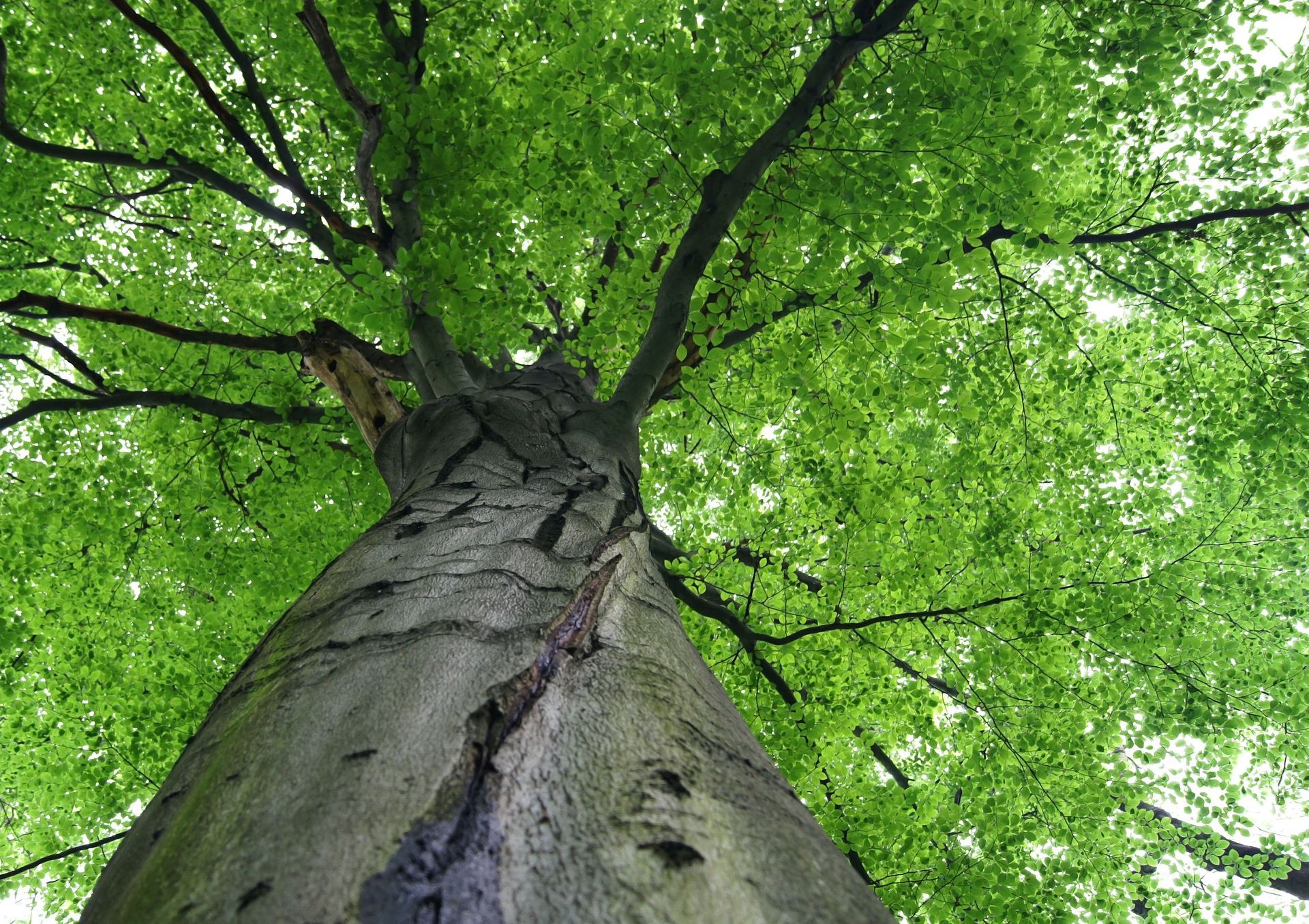
The total vertical height of a specimen serves as a primary benchmark for project estimation. Taller specimens naturally introduce higher operational risks during the dismantling phase. Taking down tall timber requires specialized roping, precision sectional rigging, and advanced lowering systems to protect lawns, roofs, and utility lines. Additionally, according to This Old House, large trees—such as those over 30 feet tall—typically cost more to remove than smaller ones because they require specialized equipment, are riskier to remove, and produce more material waste. Utilizing bucket trucks, mobile cranes, and certified rigging crews increases both the logistical complexity and the equipment overhead needed to complete the work safely.
Assessing the Trunk Diameter
The diameter at breast height directly determines the labor and equipment required to cut through the trunk. Dense, mature trunks contain massive amounts of wood fiber that dull saw chains and demand high-horsepower chainsaws. Heavy trunks cannot be lowered in standard lengths without risking turf compaction, which means crews must cut them into manageable sections. Processing these dense log segments requires additional labor, heavy-duty skid steers, and log-loading equipment, all of which contribute to the final project cost.
Calculating the Canopy Volume
Canopy density and branch spread determine the total volume of vegetative brush that must be chipped, hauled, or processed. Broad canopies with extensive lateral limbs require systematic climbing, preliminary thinning, and controlled directional roping before the central trunk can be tackled. Handling substantial brush piles extends on-site labor hours and fills wood-chipping trucks quickly, increasing transport and dumping expenses. Managing dense canopies requires careful coordination to maintain safety throughout the removal process.
Examining the Root Spread
Expansive surface roots and deeply anchored root plates introduce logistical complications when complete root excavation or stump extraction is included in the project scope. When extensive root systems intertwine with underground water mains, gas pipes, or patio footings, crews cannot simply grind through the base with heavy equipment. Delicately excavating root systems requires specialized mechanical equipment and steady manual digging to avoid utility disruptions, which adds to the overall scope of professional tree removal services.
Assessing the Tree Condition
Inspecting the Overall Health
The health of a tree significantly impacts how safely it can be dismantled. Brittle, dead, or rapidly deteriorating trees cannot reliably support the weight of climbing arborists or bear the shock load of heavy rigged branches. In these hazardous situations, crews cannot rely on traditional climbing spikes and must instead deploy heavy crane systems or elevated bucket lifts to dismantle the tree from above. The elevated risk management required for compromised trees naturally influences the baseline pricing.
Evaluating the Structural Defects
V-shaped trunk unions, deep vertical frost cracks, and internal hollows compromise wood stability and make felling unpredictable. When internal wood fibers split, directional felling wedges and pulling winches become far less reliable. Arborists must establish multi-point tethering lines, speed-line rigging networks, and specialized ground anchors to lower sections without damaging surrounding structures. Developing custom rigging plans for unstable trees demands substantial arborist expertise, which is reflected in the final cost.
Treating the Wood Decay
Extensive heartwood rot and sapwood decay alter the natural center of gravity of a tree, increasing the chance of an unexpected trunk failure during cutting. When wood fibers become spongy or hollow, standard hinge-cutting techniques will not control the fall of the tree. Crews must use specialized stabilizing straps, taglines, and aerial cranes to secure each limb before making a single cut. Navigating these safety hazards requires experienced professionals equipped with modern tree removal services.
Analyzing the Tree Location
Navigating the Nearby Structures
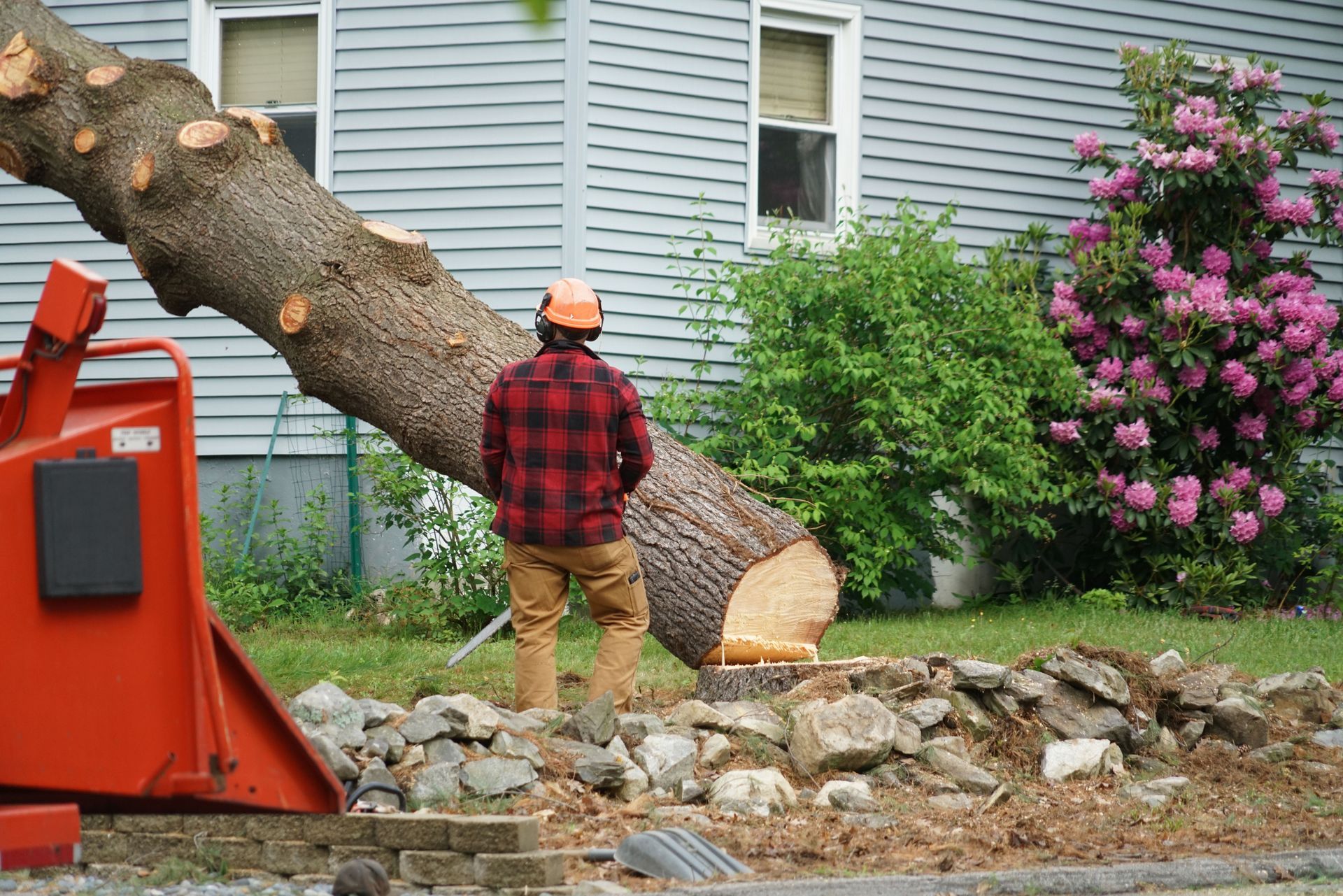
Trees positioned immediately adjacent to residences, carports, swimming pools, or delicate sunrooms require surgical dismantling. Crews cannot fell the tree from its base and let it drop freely across an open lawn. Instead, climbers must secure individual branches with dynamic rigging lines, lowering each cut piece slowly away from exterior walls and gutters. This labor-intensive rigging process extends the duration of the visit, increasing total billing hours.
Determining the Site Accessibility
Site accessibility dictates whether heavy machinery can access the work zone directly or if materials must be transported manually. Narrow side gates, steep hillsides, soft lawns, and fenced yards prevent heavy bucket trucks, track loaders, and commercial wood chippers from parking near the stump. When motorized equipment cannot reach the backyard, crews must carry limbs, heavy trunk rounds, and brush out by hand. The added labor hours directly affect the total cost of tree removal services.
Clearing the Power Lines
Trees growing into high-voltage distribution lines or electrical service drops introduce severe shock hazards. Working near energized power lines requires certified electrical line-clearance arborists who follow strict occupational safety mandates. Crews must coordinate with local utility providers to temporarily drop service lines or de-energize circuits before cutting begins. These precautionary measures protect worker safety, but the technical coordination adds to project logistics and expenses.
Protecting the Surrounding Landscape
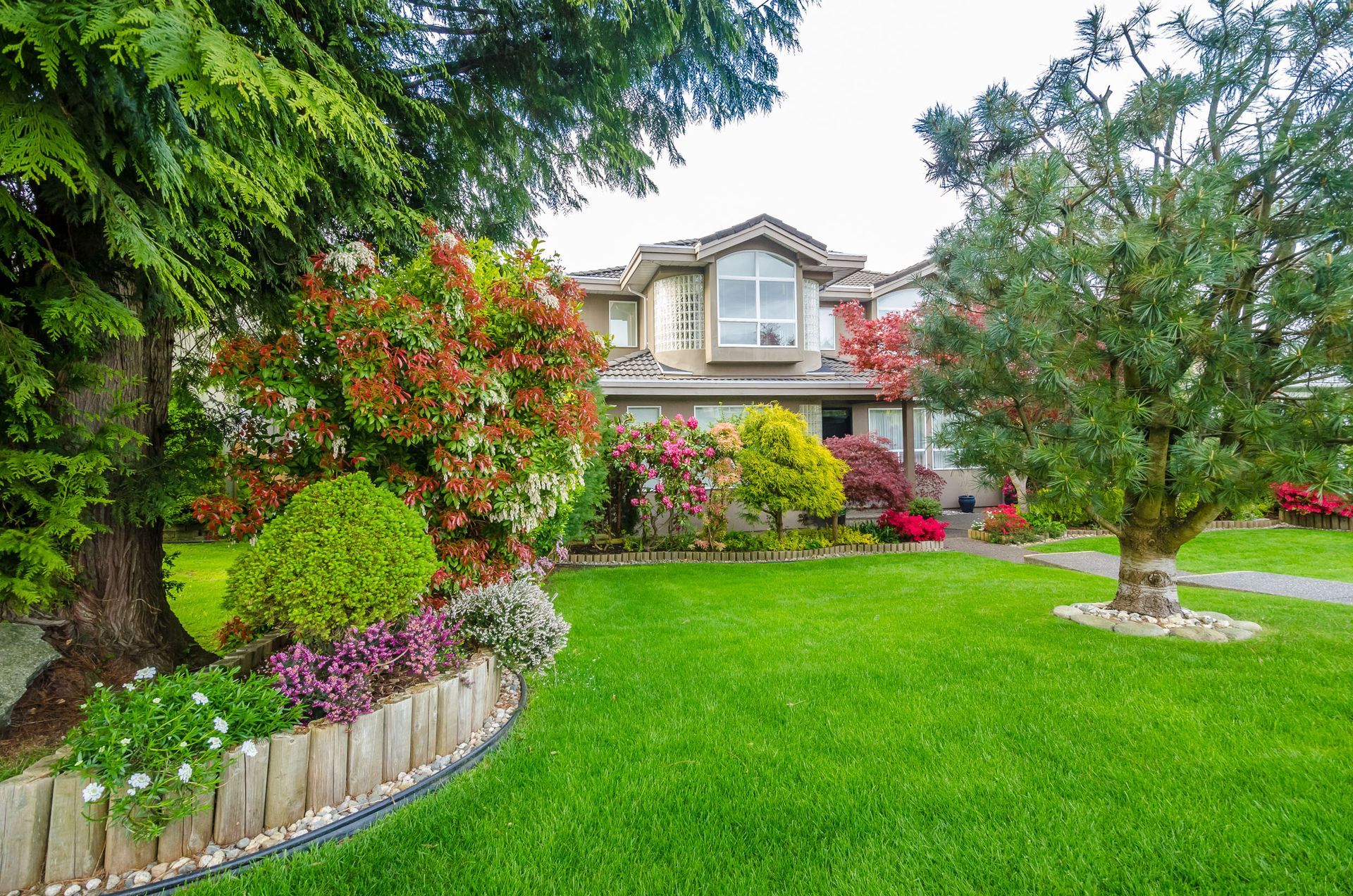
Preserving manicured lawns, brick walkways, and ornamental gardens requires extra care and protective materials. Technicians lay heavy ground-protection mats to shield soft turf from rutting under the weight of mini-skid steers and falling timber. Delicate flower beds are protected with temporary plywood shields and drop nets to catch rogue debris. While landscape protection takes extra setup and teardown time, it prevents expensive lawn repairs after the work is finished.
Managing the Regulatory Compliance
Securing the Municipal Permits
Many urban and suburban communities enforce strict tree preservation ordinances that require formal permits before certain trees can be cut down. Protected native species, historic landmark trees, and specimens exceeding diameter thresholds often require arborist evaluations and formal permit filings. Handling these municipal applications involves administrative time and direct permit fees. Navigating these local requirements correctly prevents costly fines and municipal stop-work orders.
Managing the Debris Disposal
The work is not complete once the tree is safely on the ground; managing the resulting debris is an essential part of the project. Processing dense hardwoods, raking twigs, clearing fine sawdust, and hauling heavy truckloads of mulch to green-waste facilities requires significant labor. Reputable contractors incorporate complete debris haul-away, site cleanup, and wood recycling into their estimates, providing a clean yard and a transparent service agreement.
Planning for tree work requires a clear understanding of the variables that shape professional estimates, from physical tree dimensions to site accessibility, equipment demands, and local permitting rules. Evaluating these elements ahead of time allows property owners to budget accurately and choose an experienced, fully insured contractor. Investing in reputable tree removal services protects your family, safeguards your property, and ensures your landscape remains healthy and hazard-free for years to come. Call Rivas Tree Service today for more information.